

What I Look at When Appraising a Browns Bay Home
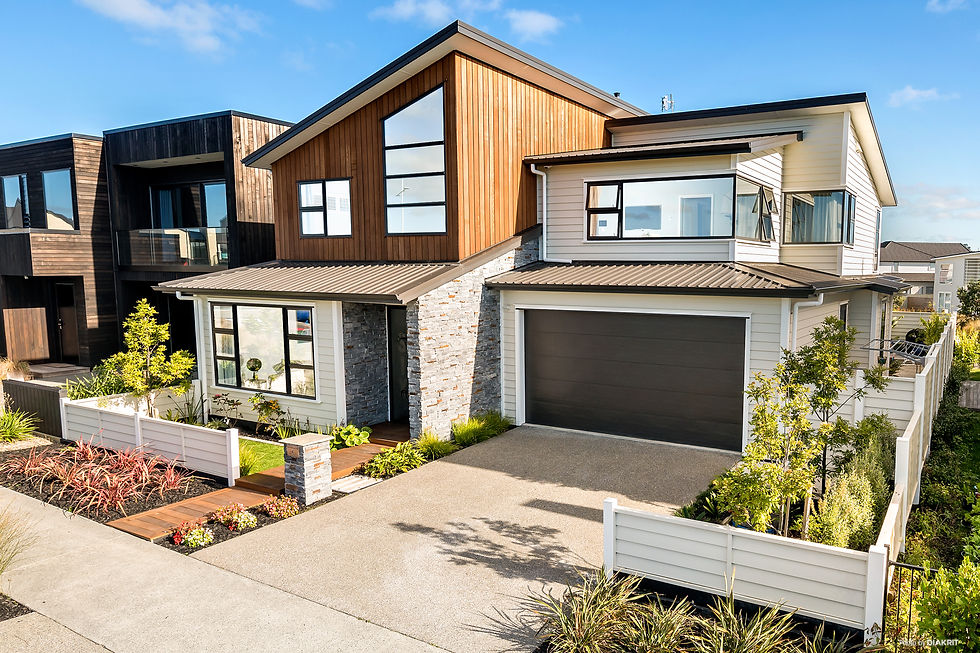
One of the first questions homeowners naturally ask me is, “What do you think my home is worth?”
It sounds like a simple question, but a good property appraisal involves considerably more than looking at the size of the house, checking the CV and finding a couple of recent sales nearby.
When I appraise a home in Browns Bay, I’m trying to answer a more useful question:
If this property came to the market today, how is the current pool of buyers likely to respond to it?
That means looking at the property itself, the evidence around it and what is actually happening in the local market.
I start with genuinely comparable sales
Recent sales are one of the most important parts of any appraisal, but choosing the right sales matters more than simply choosing the closest ones.
Two houses may sit only a few streets apart and still appeal to very different buyers.
I look at properties that are genuinely comparable in areas such as:
land size
floor area
number of bedrooms and bathrooms
age and style of construction
renovation and condition
garaging and off-street parking
aspect and outlook
school zones
site characteristics
proximity to the beach, shops and transport
Under New Zealand's real-estate rules, a written appraisal must realistically reflect current market conditions and be supported by comparable sales of similar properties in similar locations.
That is why I don't believe an appraisal should simply be a computer-generated number.
Then I look at the differences
Comparable does not mean identical.
Perhaps one home has been beautifully renovated while another requires significant work.
One may have all-day sun and a wide sea view while another faces south.
A house may have internal-access garaging while the comparable property has limited parking.
Sometimes the differences appear relatively minor on paper but can have a surprisingly significant effect on buyer behaviour.
Part of an experienced appraisal is recognising those differences and understanding how much importance today's buyers are likely to place on them.
Position within Browns Bay matters
Even within Browns Bay, there isn't one single property market.
A home within easy walking distance of the beach and village may attract a different buyer from a property further inland.
A quiet cul-de-sac, school zone, elevated outlook, redevelopment potential, road noise, privacy and ease of access can all influence demand.
That is one reason I prefer to physically inspect a property before giving a formal appraisal.
A database can't tell me what it feels like to walk onto the deck at four o'clock in the afternoon, how private the backyard actually is, or whether the photographs online are underselling a home's presentation.
The Real Estate Authority also says that, except in exceptional circumstances, a licensee should view the property before finalising an appraisal.
I look at what is competing with your home now
Sold properties tell us what buyers have recently paid.
Current listings tell us what those same buyers are being offered today.
If there are six similar homes competing for attention, that is very different from bringing a property to market when there is little comparable stock available.
I look at:
What else can a buyer purchase for a similar amount of money?
That question matters because buyers don't assess your property in isolation. They compare it with every other home they have seen.
I consider current buyer behaviour
Markets don't move in perfectly straight lines.
Sometimes buyer confidence strengthens before the statistics show it clearly. Sometimes enquiry becomes more cautious even though recent sales still look strong.
Open-home attendance, the number of active buyers, auction participation, days on market and the level of competition I'm seeing all help provide context around the sales evidence.
This doesn't replace comparable sales. It helps explain them.
What about the CV?
I look at the CV, but I don't use it as the answer.
Auckland's current rating valuations are based on a valuation date of 1 May 2024 onwards. Auckland Council itself says rating valuations do not represent a property's current market value and should not be used as an indication of what a property would sell for today.
The CV is useful information, but the market has the final say.
An appraisal should be explained, not simply delivered
One of the most important parts of an appraisal is explaining why I have reached the range I have.
A homeowner should be able to see the comparable properties, understand their similarities and differences, understand the current competition and follow the reasoning.
The Real Estate Authority makes the same point: presenting a list of sales isn't enough. An agent should explain how those sales relate to the property being appraised and how the appraised amount was reached.
That is how I approach it.
The goal isn't to give you the highest number
Sometimes homeowners assume the agent suggesting the highest price must be the most confident.
I don't think that's particularly helpful.
An appraisal should give you useful information on which to make a decision, not simply tell you what you would most like to hear.
If I believe your home may achieve more than the obvious comparable sales suggest, I'll explain why.
If the evidence points in another direction, I'll explain that too.
You don't have to be ready to sell.
You may simply want to understand where your property sits today and what might improve its position in the future.
Either way, I believe you deserve a clear answer supported by evidence.
Thinking about your Browns Bay property?
If you'd like to understand what your Browns Bay home could be worth in the current market, I'm happy to prepare a complimentary property appraisal and talk you through the evidence behind it.
Request a property appraisal or contact me for a straightforward conversation about your options.


Comments